 -by
-by Introduction: Changing Education Landscape in 2026
The debate on Skill Development vs Traditional Education has become more relevant than ever in 2026. With rapid technological advancements, digital transformation, and evolving industry requirements, the education system is undergoing a major shift. While traditional education has been the foundation of academic learning for decades, skill development is emerging as a powerful alternative focused on employability and real-world competence.
Students today are no longer judged only by degrees but by their ability to apply knowledge, solve problems, and adapt to industry demands. This has made the comparison between skill development and traditional education critical for career planning.
What is Traditional Education?
Traditional education refers to the conventional academic system that focuses on classroom learning, theoretical concepts, examinations, and degrees. It emphasizes structured curricula, textbooks, and standardized assessments.
Key features of traditional education:
- Theory-based learning
- Fixed academic syllabus
- Degree-oriented outcomes
- Examination-focused evaluation
- Limited industry exposure
Traditional education builds strong conceptual knowledge but often lacks practical application and industry relevance.
What is Skill Development?
Skill development focuses on practical training, hands-on learning, and industry-oriented education. It equips students with job-ready skills, technical competencies, and professional abilities.
Key features of skill development:
- Hands-on practical training
- Industry-integrated curriculum
- Job-oriented programs
- Real-time projects and internships
- Outcome-based learning
Skill development aims to make students employable, productive, and industry-ready.
Skill Development vs Traditional Education: Key Differences
| Aspect | Traditional Education | Skill Development |
|---|---|---|
| Learning Style | Theoretical | Practical |
| Focus | Academic knowledge | Job skills |
| Outcome | Degree | Employability |
| Industry Exposure | Limited | High |
| Assessment | Exams | Performance |
| Flexibility | Low | High |
| Career Readiness | Moderate | High |
This comparison clearly highlights why skill development vs traditional education is one of the most searched topics in modern education.
Importance of Skill Development in 2026
In 2026, industries are driven by automation, artificial intelligence, data analytics, and digital platforms. Employers seek candidates who can work with tools, technologies, and real-world systems.
The importance of skill development lies in:
- Faster job placement
- Industry-relevant competencies
- Adaptability to new technologies
- Continuous learning mindset
- Career sustainability
Skill development ensures students are not just educated but professionally competent.
Limitations of Traditional Education
Although traditional education provides academic depth, it faces several challenges in the modern job market.
Major limitations include:
- Outdated curriculum
- Lack of practical exposure
- Low employability rate
- Minimal industry interaction
- Slow adaptation to technology
This is why many graduates struggle to find jobs despite having degrees.
Why Skill-Based Education is the Future
Skill-based education bridges the gap between academic learning and professional requirements. It focuses on learning by doing, real-world problem solving, and industry alignment.
Benefits of skill-based education:
- Enhances employability
- Builds confidence and competence
- Reduces skill gap
- Improves productivity
- Supports lifelong learning
The future of education lies in combining knowledge with skills.
Skill Development and Employability
One of the biggest advantages in the debate of skill development vs traditional education is employability. Employers today prioritize practical experience over academic scores.
Skill development improves employability by:
- Providing hands-on training
- Building professional skills
- Improving communication and teamwork
- Enhancing resume quality
- Increasing placement opportunities
Students with skill training are more likely to secure jobs quickly.
Can Skill Development Replace Traditional Education?
Skill development cannot entirely replace traditional education, but it can significantly enhance it. The ideal approach in 2026 is a hybrid education model that combines both.
Traditional education builds:
- Conceptual understanding
- Critical thinking
- Academic foundation
Skill development builds:
- Practical competence
- Technical proficiency
- Industry readiness
Together, they create well-rounded professionals.
Role of Institutions Like MSDC Manipal
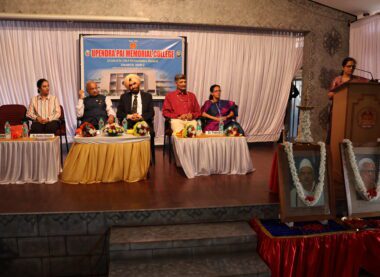
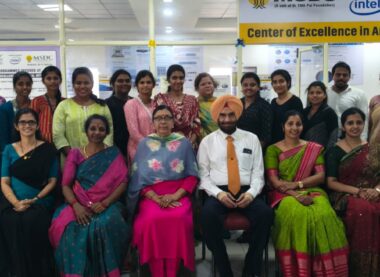
At MSDC Manipal, the focus is on industry-integrated skill development programs that complement academic education. MSDC works closely with industry partners to ensure students gain real-world exposure.
MSDC offers:
- Industry-aligned courses
- Practical training labs
- Skill workshops
- Internship opportunities
- Placement support
This makes MSDC a key player in bridging education and employment.
Skill Development vs Traditional Education: Which is Better?
In 2026, the answer is clear: Skill development holds a stronger advantage in terms of employability, career growth, and industry relevance. However, traditional education still plays an important role in building foundational knowledge.
The best path forward is:
Traditional education + Skill development = Career success
Conclusion: The Smart Choice for Students in 2026
The debate of Skill Development vs Traditional Education highlights a fundamental shift in the education system. While degrees remain valuable, skills have become the true currency of the job market.
Students who invest in skill development alongside academic learning will have a competitive edge, better career opportunities, and long-term professional success. Institutions like MSDC Manipal are leading this transformation by delivering future-ready, industry-focused education.
In 2026 and beyond, skills will define careers more than degrees.