 -by
-by Introduction – Why This Career Matters Today
Imagine designing the electronic backbone that powers smartphones, medical devices, electric vehicles, and industrial automation systems. PCB (Printed Circuit Board) design and prototyping is at the heart of modern electronics, connecting components and enabling devices to function reliably. With the rapid growth of electronics manufacturing, IoT, and embedded systems in India, the career path in PCB design and prototyping offers strong demand and long-term growth.
What Is PCB Design and Prototyping?
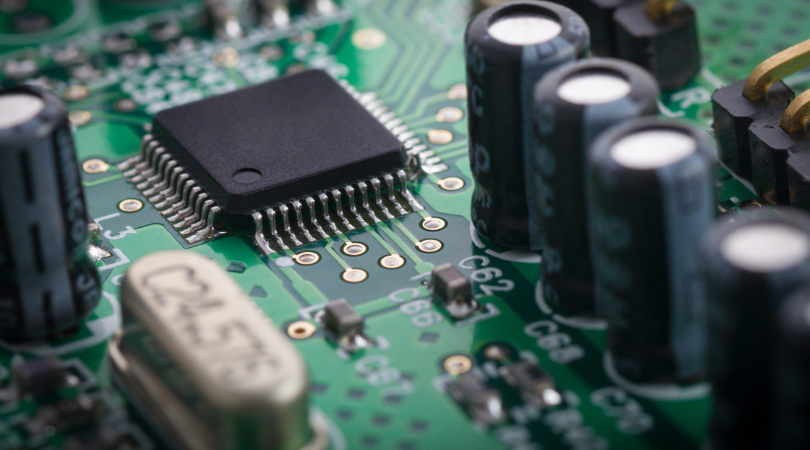
PCB design and prototyping involves creating layouts for printed circuit boards that mechanically support and electrically connect electronic components. This process includes schematic design, component placement, routing, testing, and prototype development. Professionals in this field ensure signal integrity, power efficiency, and reliability, making it a critical discipline where precision and technical expertise directly impact product performance.
Career Path in PCB Design and Prototyping – Skills You Need
To build a successful career in PCB design and prototyping, professionals must understand electronic components, circuit theory, and schematic design. Skills in PCB design software, layout planning, routing techniques, and design rule checks are essential. Knowledge of prototyping methods, soldering, testing, troubleshooting, and basic manufacturing processes is also important. Attention to detail, analytical thinking, and problem-solving ability are key qualities in this precision-driven field.
Job Roles & Opportunities
PCB design and prototyping opens doors to a wide range of job roles in electronics and technology-driven industries. Professionals can work as PCB design engineers, electronics design engineers, hardware engineers, prototyping technicians, or test and validation engineers. With experience, opportunities grow into roles such as senior design engineer, product development specialist, or independent electronics design consultant.
Salary Expectations
India: ₹3–6 LPA, grow to ₹8–18 LPA with experience, and can reach ₹20–30 LPA+ for senior, RF/HDI/EV hardware specialists.
International: PCB designers typically earn USD 60,000–90,000 per year at mid-level and USD 100,000–140,000+ per year for senior or specialized roles.
Industry Demand & Future Scope
The demand for PCB design professionals continues to rise with advancements in consumer electronics, medical devices, automotive electronics, renewable energy systems, and industrial automation. As products become more compact and complex, skilled designers who can develop reliable and efficient PCBs are highly valued. This makes PCB design and prototyping a stable and future-ready career option.
Why Should You Choose This Field?
A career in PCB design and prototyping combines electronics knowledge with practical innovation, allowing professionals to turn concepts into working hardware. It offers exposure to cutting-edge technologies and the satisfaction of building functional electronic systems from the ground up. The field provides strong career growth, technical specialization, and opportunities to work across diverse industries.
How Manipal Skill Development Helps You Build This Career
Manipal Skill Development offers structured training programs in PCB design and prototyping, covering electronics fundamentals, schematic design, PCB layout, prototyping techniques, testing, and safety practices. The programs emphasize hands-on learning through real-time projects, lab work, and industry-aligned tools. Strong industry connections support internships and placement opportunities with electronics manufacturers, startups, and R&D organizations.
Conclusion – Your Journey Starts Now
If you are passionate about electronics, innovation, and building real-world hardware, the career path in PCB design and prototyping may be the right choice. With professional training and practical exposure, this field offers a stable, high-demand, and technology-driven career. Explore Manipal Skill Development’s programs and take the first step toward powering the future of electronics.