
 -by
-by Introduction – Why This Career Matters Today
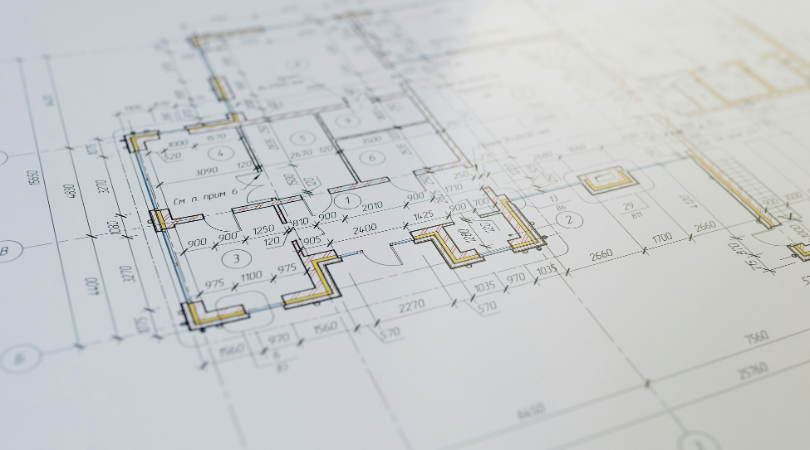
Imagine creating the technical drawings and digital models that turn ideas into real-world structures, machines, and products. Computer Aided Design and Drafting (CADD) is a core skill across engineering, architecture, construction, and manufacturing industries. With rapid infrastructure development, industrial growth, and digital design adoption in India, the career path in CADD offers strong demand and long-term stability.
What Is CADD?
CADD involves using specialized software to create detailed drawings, layouts, and 3D models used in engineering, architecture, and product design. It supports accurate visualization, precise measurements, and efficient design communication. CADD professionals translate concepts into technical drawings that guide production and construction, making this field essential to turning design ideas into functional reality.
Career Path in CADD – Skills You Need
To succeed in CADD, professionals must develop strong drafting and design fundamentals along with proficiency in industry-standard software. Understanding engineering drawings, dimensions, tolerances, and material specifications is essential. Skills in 2D drafting, basic 3D modeling, design interpretation, and accuracy are critical. Attention to detail, spatial understanding, and problem-solving ability play a major role in building a successful CADD career.
Job Roles & Opportunities
CADD skills open opportunities across multiple industries. Professionals can work as CADD drafters, CAD designers, design engineers, drafting technicians, or BIM assistants. With experience, roles expand into senior designer positions, project coordinators, or specialized CAD consultants. CADD professionals are employed in construction firms, engineering consultancies, manufacturing units, and design studios.
Salary Expectations
India: ₹2.5–5 LPA at entry level, ₹6–12 LPA with experience, and ₹15–20 LPA+ in senior or specialized roles (BIM, automotive, aerospace).
International: CADD professionals earn around USD 45,000–70,000 per year at mid-level and USD 80,000–110,000+ per year for senior or industry-specialist roles.
Industry Demand & Future Scope
The demand for CADD professionals continues to grow with infrastructure expansion, smart city projects, manufacturing growth, and digital transformation in design processes. As industries adopt 3D modeling, automation, and BIM technologies, trained CADD professionals remain essential for accuracy and efficiency, ensuring strong career prospects.
Why Should You Choose This Field?
A career in CADD combines technical precision with creative design thinking, allowing professionals to contribute to large-scale projects and real-world developments. It offers stable employment, opportunities across industries, and continuous learning as technology evolves. Seeing your drawings and models turn into real structures or products brings immense professional satisfaction.
How Manipal Skill Development Helps You Build This Career
Manipal Skill Development offers structured CADD training programs covering drafting fundamentals, 2D and 3D design, software tools, industry standards, and project-based learning. The programs focus on hands-on practice, real-time assignments, and industry-relevant workflows. Strong industry partnerships support internships and placement opportunities across engineering, construction, and manufacturing sectors.
Conclusion – Your Journey Starts Now
If you are passionate about design, precision, and transforming ideas into technical reality, the career path in CADD may be the right choice. With professional training and practical exposure, CADD offers a stable, future-ready career across multiple industries. Explore Manipal Skill Development’s programs and take the first step toward designing the blueprint of the future.