
 -by
-by Abstract
Drone technology has rapidly evolved from military applications to widespread civilian and commercial use. Commonly referred to as Unmanned Aerial Vehicles (UAVs), drones are now deployed in agriculture, logistics, healthcare, construction, media, and security. This article explores the development of drone technology, examines its key applications, evaluates its advantages and limitations, and discusses its growing significance in modern technological ecosystems.
Introduction
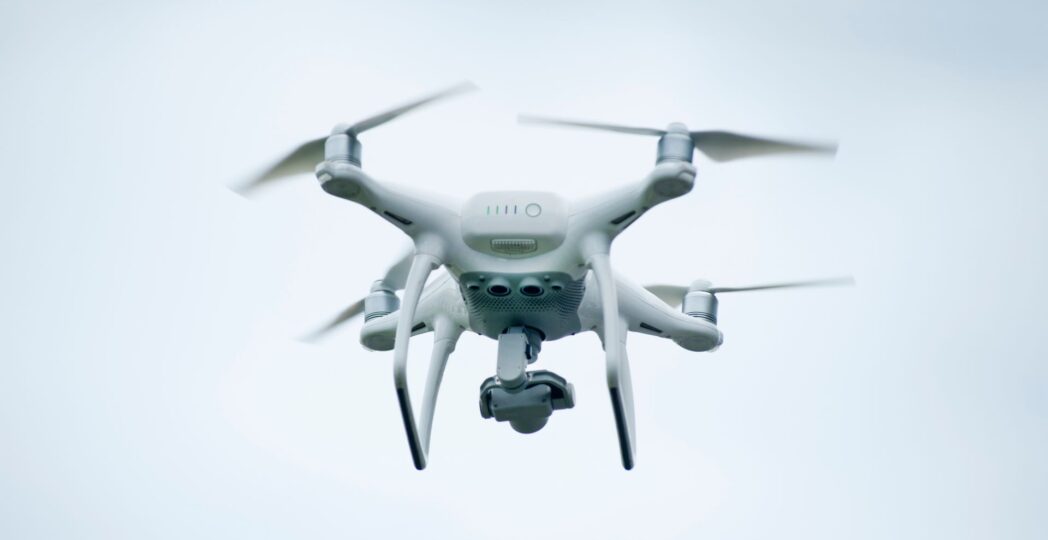
Drones are unmanned aircraft systems capable of operating without a human pilot onboard. Controlled remotely or through autonomous systems, drones utilize GPS, sensors, cameras, and artificial intelligence to perform aerial tasks. Over the past decade, technological advancements and declining hardware costs have enabled the integration of drones into mainstream industries, making them an essential tool for data collection, surveillance, and automation.
The Evolution of Drone Systems
Initially developed for defense and surveillance, drone systems have expanded into civilian domains through improved navigation systems, enhanced battery life, and AI-driven autonomy. Modern drones are equipped with high-resolution imaging, obstacle detection, real-time data transmission, and automated flight capabilities. These innovations have significantly increased the operational reliability and functional scope of drone technology.
Applications of Drone Technology
Drone technology has diversified into multiple sectors. In agriculture, drones support crop monitoring, soil analysis, and precision spraying. In logistics, drones facilitate rapid delivery of medical supplies and essential goods. In construction and infrastructure, drones enable aerial surveying, site inspection, and 3D mapping. In media and marketing, drones provide high-quality aerial photography and videography. These applications demonstrate drones’ capacity to enhance efficiency, safety, and operational reach.
Limitations and Regulatory Challenges
Despite their benefits, drones face technical and regulatory challenges. Limited battery capacity, weather dependency, airspace restrictions, and cybersecurity risks constrain large-scale deployment. Privacy concerns and safety regulations also require strict compliance frameworks. Governments and aviation authorities continue to develop policies to balance innovation with public safety and ethical use.
Future Prospects of Drone Technology
The future of drones is characterized by increased autonomy, swarm intelligence, and integration with AI and 5G networks. Emerging concepts such as urban air mobility, drone taxis, and automated disaster response systems reflect the expanding role of drones in smart infrastructure. As technological maturity increases, drones are expected to become integral components of digital and physical ecosystems.
Conclusion
Drone technology represents a significant advancement in aerial automation and intelligent systems. By enabling real-time data collection, improving safety, and extending operational capabilities, drones have transformed multiple industries. While regulatory and technical challenges remain, continued innovation and responsible governance will ensure that drones play a critical role in future technological development and societal progress.